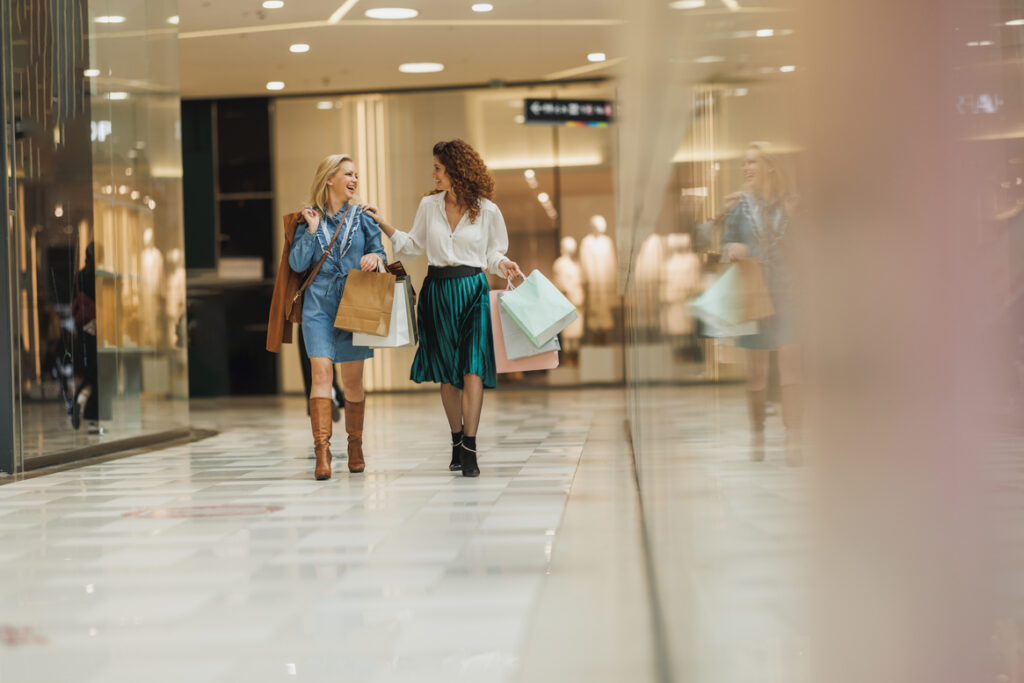
The contemporary megamall represents a profound triumph of commercial architecture spatial engineering and urban economic consolidation. Far from being a mere collection of individual retail shops gathered under a singular roof structure the modern high density shopping center functions as a fully integrated self sustaining commercial ecosystem. For the modern consumer face to face with one mall so many stores the physical experience can fluctuate between exhilarating discovery and cognitive sensory overload. Navigating these gargantuan micro cities efficiently requires an advanced understanding of retail layout theory consumer behavioral economics and strategic temporal scheduling.
From an institutional perspective the consolidation of hundreds of diverse retail brands into a unified controlled environment is engineered to maximize foot traffic length of stay and cross shopping velocity. These spaces are designed to capture the entire spectrum of human consumer desire ranging from daily lifestyle necessities and fast casual dining to haute couture flagships and immersive entertainment spaces. For the discerning shopper or market analyst decoding the underlying organizational logic of these massive retail centers is the absolute key to transforming a chaotic overwhelming excursion into a highly efficient structured and productive asset procurement strategy.
The spatial layout of a premier megamall is never accidental or arbitrary. It is the product of rigorous computer modeling architectural calculus and decades of evolutionary retail design history. The primary objective of a mall’s physical blueprint is to eliminate dead zones where foot traffic stagnates and to ensure a continuous fluid kinetic movement of consumers across every single corridor level and sightline.
The most common structural framework deployed in major global megamalls is the double anchor dumbbell configuration or its advanced evolution the multi level racetrack circuit. In the dumbbell layout massive high volume department stores or hypermarkets are positioned at the absolute opposite ends of a central linear concourse. This layout forces millions of shoppers to traverse the entire length of the facility to move between these anchor nodes passing hundreds of smaller inline specialty tenants along the way. The racetrack layout morphs this linear path into a continuous looping circuit utilizing wide sweeping curves and strategic vertical escalation points to draw visitors seamlessly up through multiple vertical tiers ensuring complete exposure to the endless matrix of available stores.
To maintain operational viability and keep consumers engaged over multi hour durations megamall developers deploy a highly sophisticated discipline known as tenant mix optimization. This strategy balances complementary retail categories across specific geographic zones within the mall layout ensuring that competing brands drive mutual traffic rather than destructive cannibalization.
Within a single mall containing hundreds of stores you will observe distinct micro clusters engineered with mathematical precision. High end luxury boutiques showcasing premium leather goods and fine jewelry are grouped together in quiet low lighting corridors finished with polished marble flooring to cultivate an aura of exclusive serenity. Conversely fast fashion retailers electronics outlets and youth culture lifestyle brands are situated along high traffic central arteries characterized by bright acoustics dynamic LED facades and higher ambient pedestrian velocity. By categorizing the chaotic mass of storefronts into predictable thematic zones smart shoppers can rapidly filter out irrelevant sectors and isolate their specific target procurement zones instantly.
The internal environment of a megamall is a meticulously controlled sensory landscape designed by master behavioral psychologists to bypass rational financial friction and induce a state of highly receptive unhurried consumer compliance. This psychological phenomenon often referred to in architectural circles as the Gruen Transfer occurs when a highly structured disorienting layout causes a shopper to lose track of their original specific shopping list and transform into an impulsive exploratory browser.
Every variable from the ambient temperature kept at a highly comfortable constant setting to the acoustic engineering of background music playlists is optimized to slow down pedestrian walking velocity. Long sweeping curvilinear corridors prevent the eye from seeing the exit doors too quickly instead constantly teasing the visual field with upcoming storefront displays around the bend. Furthermore the strategic omission of exterior windows and public clocks creates a suspended temporal reality where the external passage of day and night is completely erased. Understanding these hidden psychological triggers allows sophisticated consumers to maintain complete cognitive awareness defense mechanisms and financial discipline while exploring dense retail environments.
When dealing with a retail complex housing hundreds of individual storefronts entering the facility without a strict temporal map is a recipe for physical fatigue and massive operational inefficiency. High volume megamalls experience highly predictable micro cycles of pedestrian density and vehicular parking congestion throughout the operational week.
To execute a high efficiency multi store sourcing plan elite shoppers avoid peak traffic windows entirely. The optimal window for rapid structured retail sourcing occurs during weekday morning cycles between Monday and Thursday within the first three hours of corporate opening. During these early windows store interiors are immaculately organized inventory stocks are fully replenished from overnight logistics shipments and sales advisors are completely unburdened by crowds allowing them to provide dedicated personalized assistance. By mapping out a precise sequential route that progresses logically from one level to the next avoiding backtracking across expansive central atriums shoppers can compress an excursion that would traditionally require an entire weekend into a highly productive focused two hour window.
Within a high density mall ecosystem not all storefronts are created equal. A smart consumer must understand the operational and inventory distinction between a brand’s standard inline inline branch and its premium fleet flagship installation. This knowledge directly impacts product availability size depth and the procurement of exclusive capsule lines.
Standard inline stores occupy average square footage and carry a highly curated limited selection of the brand’s most commercially safe mass market items. Conversely a fleet flagship store represents the absolute pinnacle of the brand’s physical identity within that geographical region. These massive multi level spaces receive direct priority allocations of limited edition collaborations runway collections and experimental product designs before they enter general distribution channels. Flagships also feature master on site alterations departments and advanced digital integration tools. When executing a targeted high value wardrobe curation plan focusing your energy entirely on these flagship anchors yields significantly superior results compared to exploring fragmented smaller inline footprints.
The movement of human beings through vertical space represents one of the greatest challenges in megamall architecture and a vital variable for shoppers to master. Multi level shopping centers utilize a strategic placement of escalators glass elevators and skybridges to distribute pedestrian mass evenly across vertical planes preventing ground floor stagnation.
Mall designers frequently deploy a technique known as skipped escalation where an escalator jumps a shopper past an adjacent floor or is positioned facing away from the natural path of travel forcing the consumer to walk past a series of storefronts before they can ascend to the next tier. To counteract this artificial elongation of your walking path you must locate the service elevators or direct vertical stairwells often hidden behind main corridor pillars or adjacent to public restrooms. Utilizing these utility transit pathways allows you to bypass the looping horizontal detours dictated by the public escalator layout moving between separate tiers with surgical velocity and efficiency.
The role of gastronomy within high density retail centers has evolved from a simple utilitarian amenity into a primary traffic driving anchor component. Historically food courts were relegated to dark top tier corners designed purely to keep hungry shoppers from leaving the facility to eat. Today modern megamalls feature sprawling premium dining halls gourmet food markets and independent fine dining enclaves integrated throughout the retail fabric.
From a structural perspective these culinary zones function as vital psychological staging grounds. The physical act of exploring hundreds of stores induces decision fatigue and physical energy depletion. Strategically interspersed artisanal coffee bars juice lounges and high end restaurants provide necessary spaces for cognitive decompression. Discerning shoppers utilize these gastronomic intervals to pause step away from the aggressive sensory stimulation of the showroom floors review their accumulated purchases against their master sourcing plan and adjust their capital allocation strategy for the remainder of the itinerary.
One of the most immediate physical penalties of exploring a multi store megamall environment is the logistical burden of transporting large volumes of heavy merchandise across kilometers of polished stone flooring. Carrying numerous large shopping bags rapidly degrades posture induces physical exhaustion and physically restricts your ability to evaluate subsequent apparel items or navigate fitting rooms comfortably.
To address this friction elite megamalls have introduced sophisticated concierge networks parcel consolidation services and private bellhop or porter systems. When sourcing across multiple high end boutiques shoppers can direct sales executives to bypass immediate physical handover and instead route purchases directly to a centralized subterranean valet holding center. Alternatively items can be consolidated at the main concierge desk where uniform porters manage the physical transport of your goods in the background. Utilizing these institutional logistics systems frees your hands entirely allowing you to maintain an elegant unburdened posture and focus 100 percent of your mental energy on the evaluation of incoming retail inventory.
The modern high density shopping mall is an intensely digitized landscape where advanced technology can be leveraged as an invaluable navigational aid. Traditional printed directory maps located at main entrances are completely obsolete failing to reflect real time store closures temporary relocations or live inventory fluctuations.
Premier megamalls now offer proprietary mobile wayfinding applications that utilize indoor global positioning system networks to plot ultra precise step by step walking paths through the complex. These applications allow you to input your specific multi store shopping list and automatically generate the absolute shortest mathematically optimized route across all floors. Furthermore these digital portals provide real time data streams regarding parking space availability within specific garage color codes live crowd density indices across separate mall wings and immediate access to flash digital promotion vouchers exclusive to app users. Embracing this technical infrastructure eliminates the frustration of wandering blindly down incorrect corridors transforming you into a hyper efficient data driven shopper.
The primary competitive advantage of entering a mall containing hundreds of stores is the unique ability to execute rapid cross brand wardrobe prototyping and multi label ensemble creation within a single afternoon. In a single location a shopper can physically compare the fabric textures tailoring structures and dye lots of competing design houses side by side.
To execute this advanced curation methodology successfully you must maintain a highly rigorous systematic approach. When sourcing a complex multi layered ensemble such as a formal business suit or a high end evening look begin by securing the core structural anchor garment first usually the blazer or tailored jacket from your premier brand choice. Wear or carry this anchor piece as you transition into subsequent secondary stores allowing you to match the exact texture of silk shirts trousers or leather footwear from alternate designers in real time under uniform lighting conditions. This direct physical comparison eliminates the common mistake of purchasing disjointed items that look magnificent in isolation but fail to harmonize structurally when assembled at home.
The vast density of competing retailers enclosed within a single megamall creates a highly lucrative environment for price comparison retail arbitrage and capital optimization. Because multiple multi brand department stores independent boutiques and authorized brand flagships operate within the same square kilometer subtle price discrepancies for identical luxury goods happen frequently.
Before executing a premium transaction at a specific storefront a sophisticated shopper performs a rapid digital and physical audit of neighboring competitors within the same mall. The identical designer handbag or high end timepiece may be offered with varying loyalty point multipliers complimentary extended warranty structures or exclusive gift with purchase incentives across different department store chains like Nordstrom Bloomingdales or Neiman Marcus. Additionally many institutional mall tenants operate under strict corporate price match guarantees meaning that presenting verified evidence of a lower price tag from an adjacent boutique can force an immediate on the spot price adjustment securing you the asset under the absolute lowest possible capital layout.
While the sheer scale of a megamall with hundreds of stores is historically associated with mass consumerism the modern evolution of these spaces has embraced a profound commitment to environmental sustainability circular economics and conscious consumer behavior. Contemporary megamalls are increasingly positioning themselves as centralized hubs for eco luxury and ethical wardrobe management.
Discerning shoppers can now locate specialized zones dedicated entirely to premium clean beauty boutiques clothing recycling depots and high end luxury consignment enclaves within the mainstream mall footprint. Many heritage houses and avant garde labels operating flagship mall locations offer private circular trade in programs where past purchases can be returned for store credit and systematically processed for fiber regeneration or archival resale. By consciously prioritizing these sustainable operators integrating certified organic fabrics into your curation plan and supporting brands that utilize carbon neutral distribution networks you can extract the immense conveniences of a multi store shopping center while actively minimizing your personal ecological footprint.
The psychological phenomenon known as the paradox of choice dictates that when a human being is presented with an overwhelming abundance of options their ability to make an optimal rational decision decreases dramatically often resulting in anxiety paralysis or deep post purchase regret. In a megamall housing hundreds of alluring storefronts decision fatigue is an ever present operational hazard that can easily derail your curation objectives.
To insulate your mind against this cognitive decay you must implement strict mental filtering protocols and predefined boundaries. Treat your shopping itinerary like a professional business operation. Limit your exploration to a maximum of five high interest stores per session completely ignoring peripheral storefront marketing traps. If you find yourself torn between multiple similar luxury options across different retailers implement a mandatory ninety minute cooling off interval. Step away from the sales floors completely enter a quiet dining environment or leave the facility for a brief walk in natural light to reset your baseline dopamine levels. Returning to the final transaction with a refreshed clear mind guarantees that your ultimate purchase is a reflection of true enduring value rather than a manic reaction to excessive choice stimulation.
Conquering a premier global megamall containing an endless matrix of retail stores requires transitioning from a passive impressionable browser into a highly disciplined data driven master of space and time. By systematically understanding the architectural calculus of racetrack layouts utilizing hidden vertical transit shortcuts leveraging digital wayfinding networks and maintaining strict emotional and physical composure you transform a potentially chaotic environment into a personal laboratory of elite style curation.
The immense concentration of retail assets under a single roof structure represents a powerful resource that can dramatically accelerate your wardrobe development and optimize your lifestyle curation provided you possess the strategic frameworks to navigate it with absolute precision. Never enter a major commercial center without a predefined sequential roadmap an accurate temporal schedule and a firm understanding of your specific material goals. Respect the underlying behavioral psychology engineered into the space but remain entirely detached from its consumer traps. By implementing the advanced operational methodologies detailed throughout this definitive guide you will confidently master the infinite choices of the modern retail palace extracting premium value maximizing capital efficiency and secure a definitive lifelong advantage across every lifestyle procurement cycle.
Introduction to the Megamall Retail Phenomenon The contemporary megamall represents a profound triumph of commercial architecture spatial engineering and urban...

1. Introduction to High Fashion Lifestyle Archetypes The visual landscape of modern premium marketing relies heavily on structured archetypes to...

1. Introduction to the Beverly Hills Retail Ecosystem The retail architecture of Beverly Hills represents the absolute pinnacle of high...